
If we’re going to get through this, we have to take back the horrors of war. A philosophy of consulting.
Join the discussion on LinkedIn: https://www.linkedin.com/posts/antlerboy_somebody-elses-problem-activity-7310231449377341440-3Fey
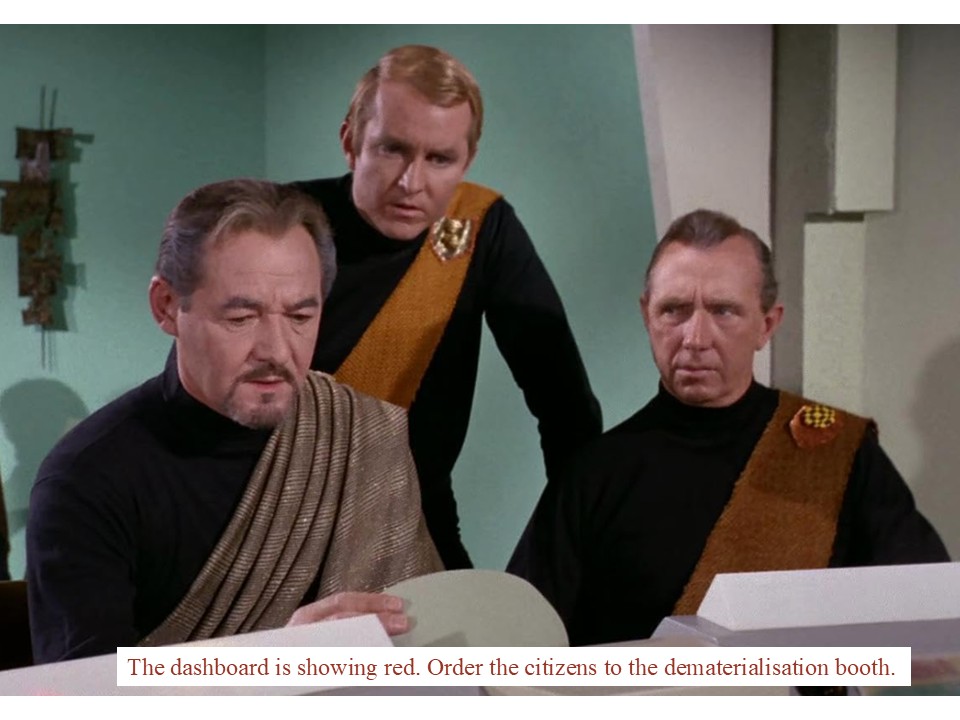
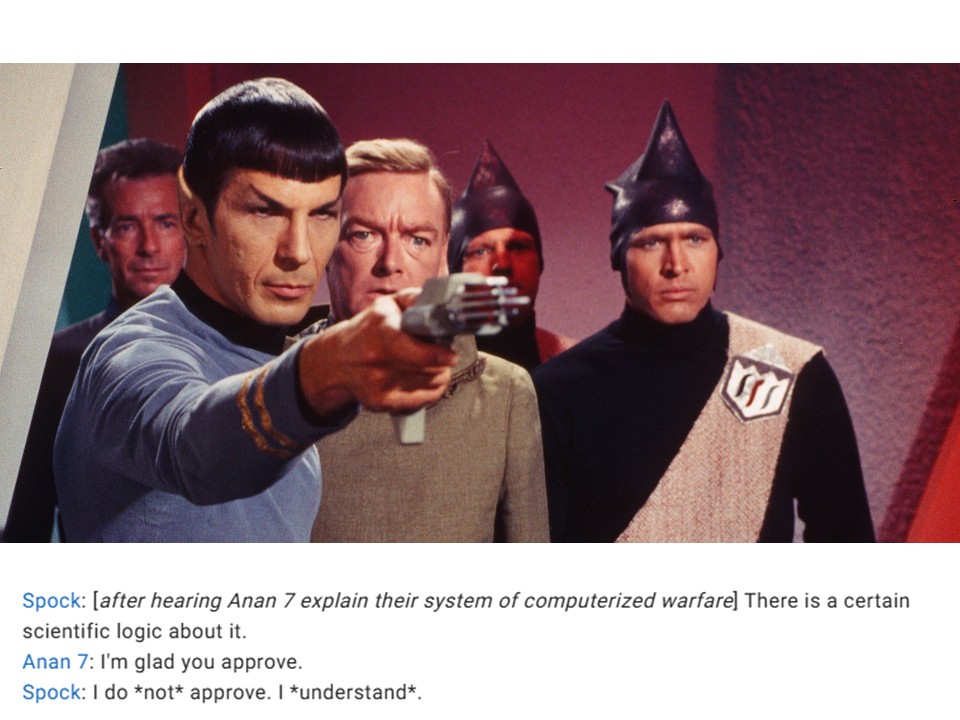
In the Star Trek episode A Taste of Armageddon, two planets wage a 500-year war through computer simulations. Citizens report for execution to meet calculated death tolls. No destruction, mess, disruption. They sanitised war and removed any real incentive for peace. Kirk sees through the illusion and destroys the simulation, forcing the reality of war – and opening the path to negotiation.
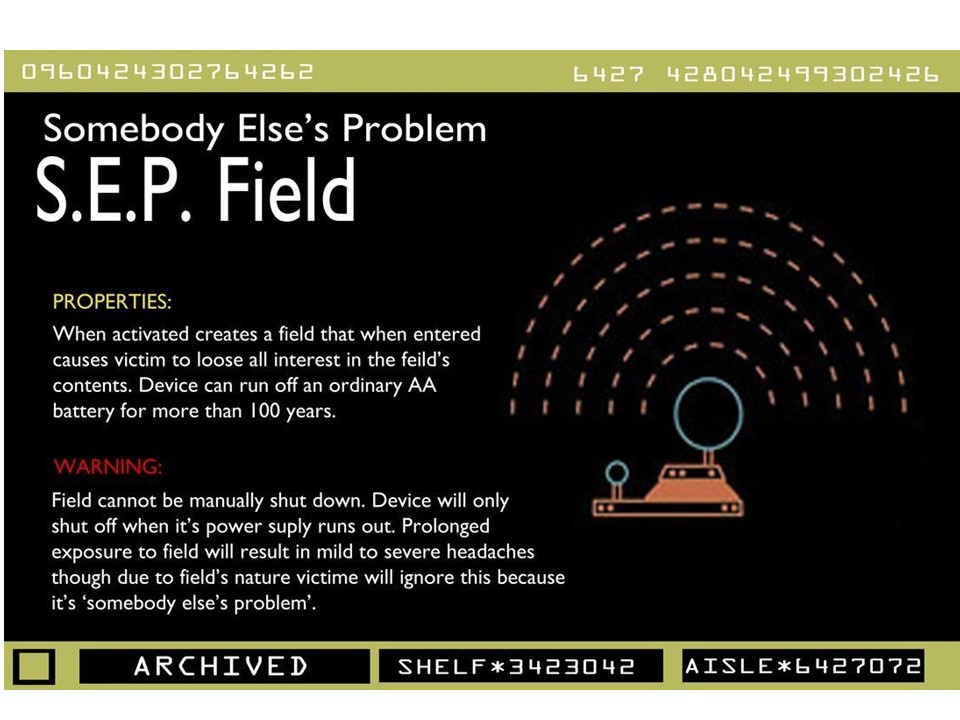
The Somebody Else’s Problem Field, from the Hitchhiker’s Guide to the Galaxy, makes things invisible – not physically, but psychologically. We ignore what’s in plain sight because we believe it’s not our responsibility.
Setting up a programme or Arms-Length Body is too often how SEP fields are constructed – and too often leads to everlasting ‘bloodless’ attrition. If it solves the problem, fine. If it doesn’t, also fine – it’s now someone else’s job.
The true cost isn’t in lost outcomes or the new problems we lock in by slicing complexity into pieces. It’s in how we diminish ourselves. How responsibility is domesticated, moral courage replaced by process.
Humans can only bear so much complexity and pain. We need defences against overwhelm. But if you lead in a complex system, especially public services, you need to meditate in the charnel grounds. Sit with that pain, not outsource it. Notice what is being disowned.
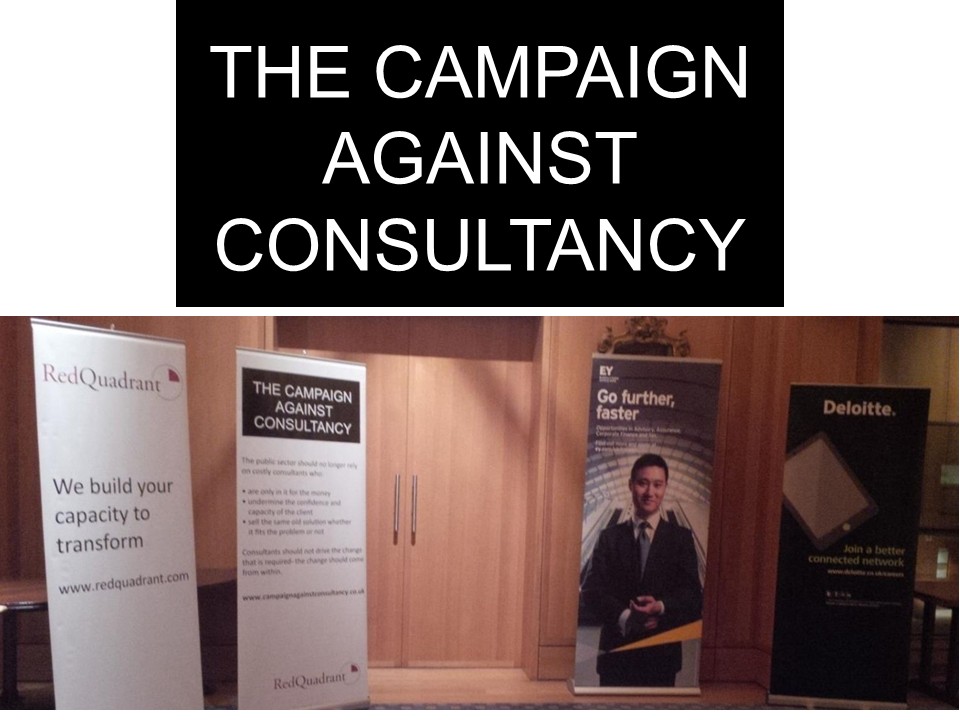
RedQuadrant is an anti-consultancy. We ran the Campaign Against Consultancy because we recognised our complicity in creating these conditions, behind masks of professionalism and distance from context. Clients welcome that. Everyone stays clean. Nothing really changes.
If you come to complex, large-scale change with programme plans, phases, deliverables and KPIs, be careful of the category error: belief that social systems can be made to comply with intention. That transformation can be managed.
All the gubbins of the programme only works if it helps people stay close enough to the painful, complex reality to act on it. Too much comfort, and it becomes a sedative. Then, people reshape, resist, reframe. Politics intrudes. Teams rewrite milestones. Outputs multiply. Outcomes fade. Nothing changes – but everyone did their best.
We work from the assumption that large-scale change can;t be planned, but it can be grown. That complexity can be faced, held in mind, and worked. We work alongside to build minimal viable scaffolding for change. Direction, not targets. Learning loops, not milestones. Structures for coherence, control, delegation, diversity. We help create the conditions to deal with narrow limiting guidelines from above while enabling change to emerge at scale.
Our role is to help people remain open enough, strong enough, and connected enough to do the real work.
The old way was to contain people, not connect them. Real change starts when we begin listening, not measuring. If you’re interested – get in touch. We can help.



 chosen path